
Most of the photographers I meet are not held back by technique. Their pictures are sharp. Their editing is clean. But put twenty of their photographs on a table and it looks like ten different people made them. This is the most common thing I see, and it is not a talent problem.
Technique answers how to make a picture. It does not answer what to photograph, or why this and not something else.
That second question is where style comes from.
You do not choose a style. You find it.
Many people try to pick a style the way they pick a jacket. Dark and moody this year. Soft and pale the next. It rarely holds, because style is only the surface.
Under the surface there is something your pictures keep returning to, whatever you shoot. In my teaching I call it the thread. It is a quiet interest you carry with you, and you often felt it in life long before you felt it in a photograph. Waiting. Empty places. People looking away. Being a stranger somewhere.
Style is how that interest becomes visible: how close you stand, the light you keep choosing, the moment you press the button. Find the thread first and the style follows.
What mine looks like
I will use myself as the example.
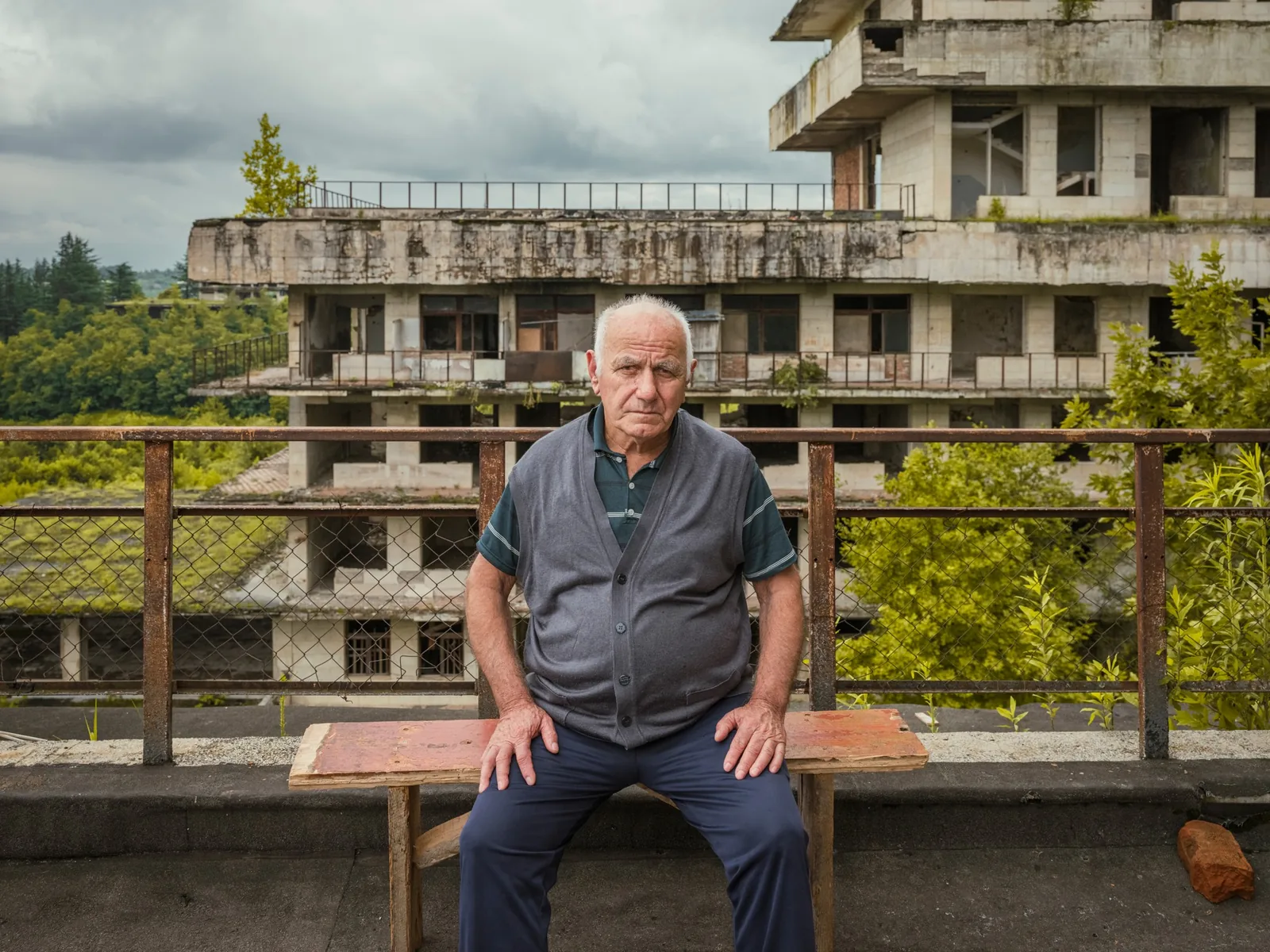
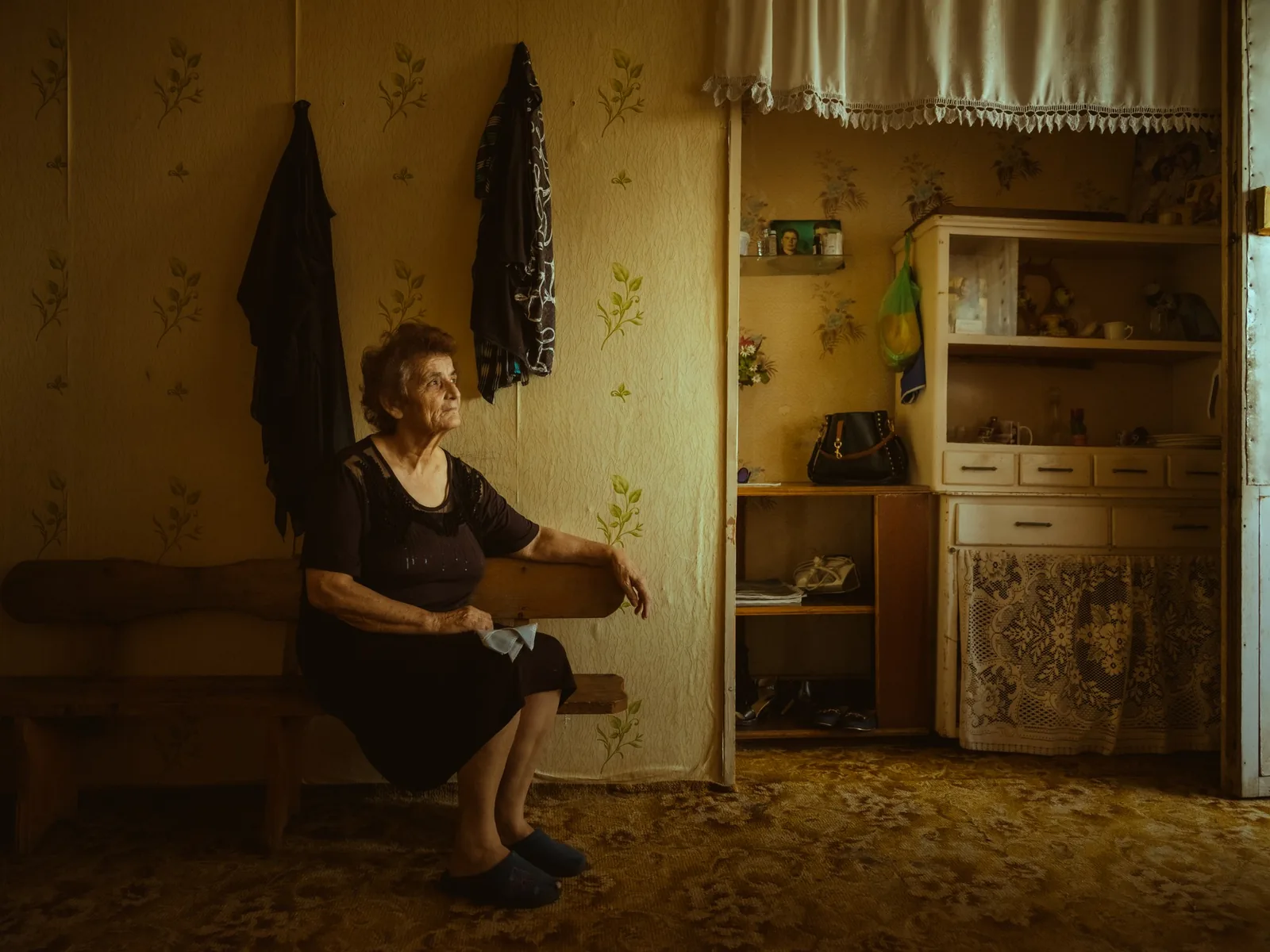
My thread is simple to say. I show people in the environment where they live or work.
The person and the place are equally interesting to me. Neither one comes first.
That is why I normally prefer an environmental portrait to a close-up. An environmental portrait is one where the surroundings share the frame with the person.
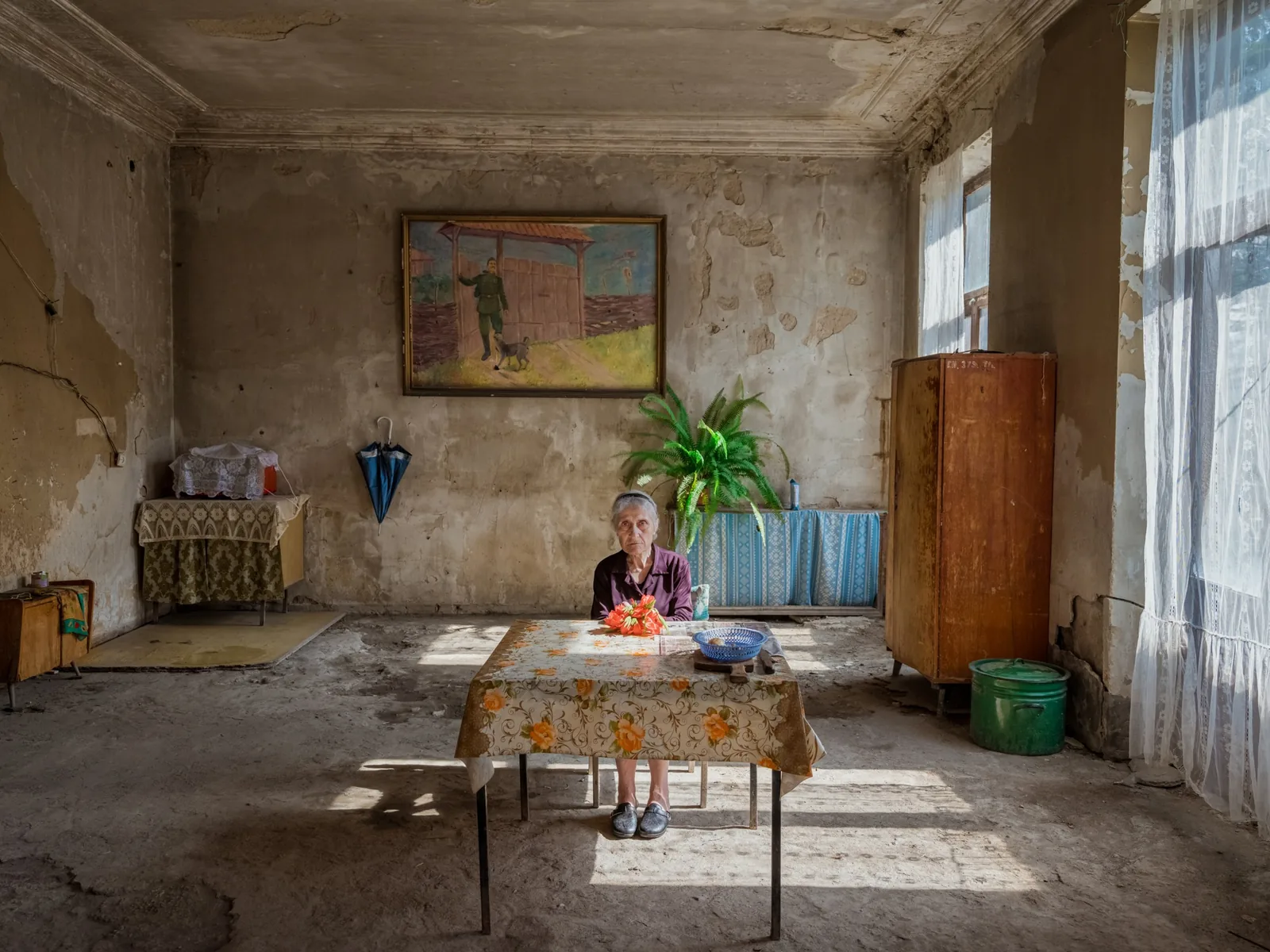
It also decides how I work. For a series like Blackout, I normally search for a good location first. The people and the story connected to it come later. I believe each place has its own people, and they have their stories.
So I step back until the place is in the picture too. Nobody gave me that distance as a rule. It comes from what I care about. This is what I mean when I say the style follows the thread.
Four questions for your own pictures
No single photograph shows a thread, the same way one dot cannot make a line. It appears only across many pictures, in the choices you repeat without deciding to.
Take a set of your own pictures and ask them four questions.
- How close do you get to people?
- What hour is it, most of the time?
- Do you press at the peak of the moment, just before, or just after?
- Where do you stand: inside the scene, or watching from outside?
Answer honestly and a pattern shows up. These four are only a start. The real question is wider. What do you keep doing that you never decided to do?
From 100 photos to 5
Here is the exercise I give at the very beginning.
Pull 100 of your photographs, fast, by feel. From those, keep the 20 you would still make today. From the 20, keep the 5 that are closest to you. Then write one line about what the five share.
A hundred is too many to pick carefully. That is the point. Speed gets you past the picture you think you should like, to the one you really like.
That one line is a first draft of your thread. It still needs testing, but it is a real start. The free guide at the bottom of this page takes you through the whole exercise, step by step.
Why it is hard to do alone
Your thread is hard to see because it is yours. It does not feel like a choice. It feels like just the way things are. Other people often see it before you do.
So do not keep your five pictures to yourself. Show them to someone, explain nothing, and ask what they have in common. Then listen.
If you want to do this with me
Finding this thread is where my mentorship begins. It starts with a Direction Session: one private hour, one to one, with your pictures and your questions. You leave with more clarity about your direction and your next step, whether you continue with me or not.